
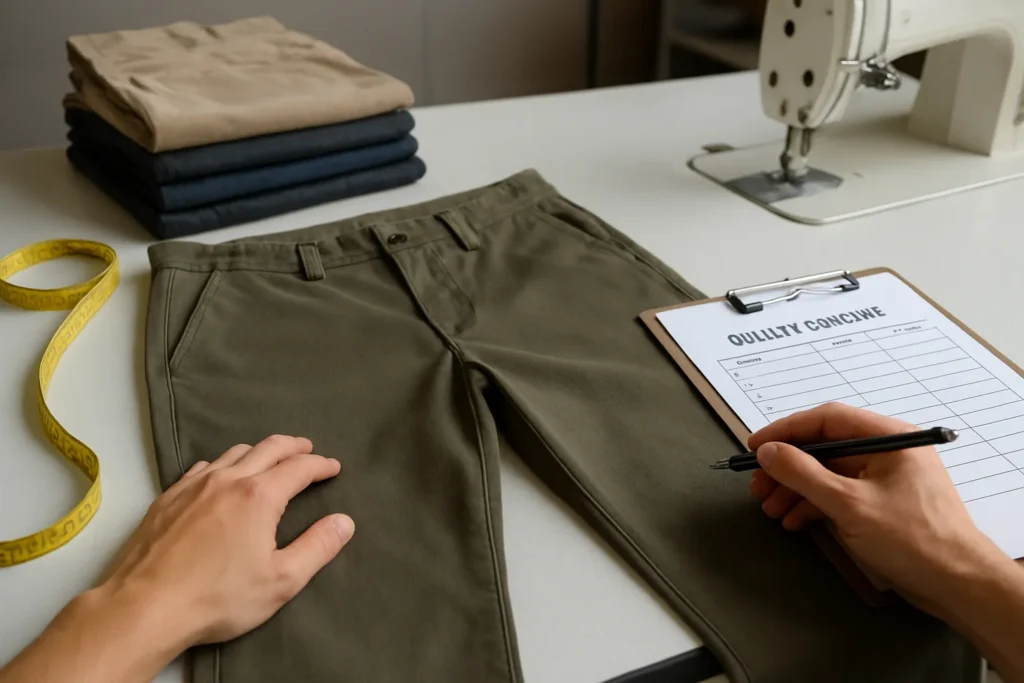
Ensuring Quality Control in Casual Pants Production: Key Strategies
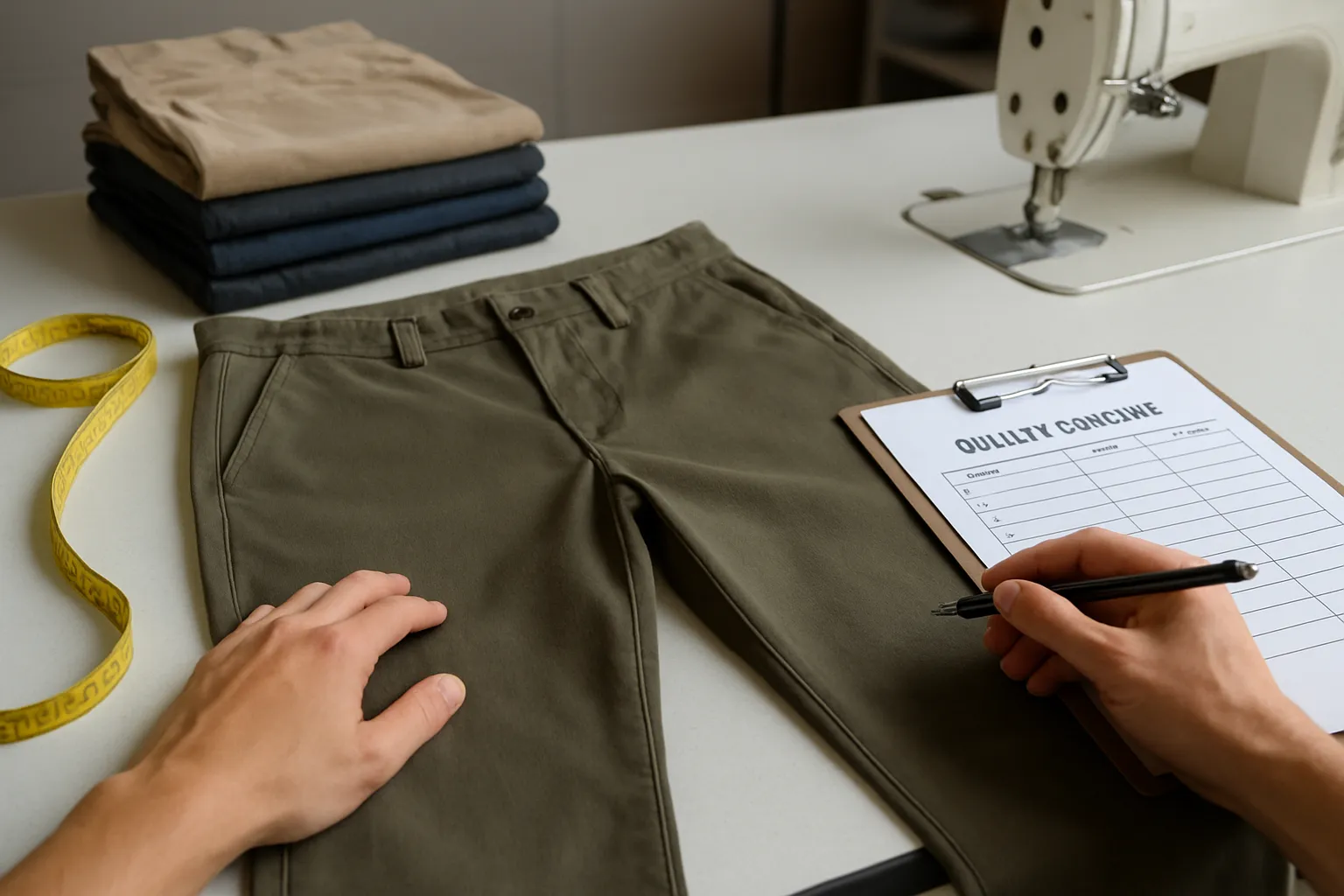
In the ever-evolving world of fashion, quality control in apparel is paramount, especially for essential items like casual pants. As consumer expectations continue to rise, the demand for high-quality, durable, and stylish casual wear is growing significantly. This expansion is largely driven by lifestyle changes and an increasing emphasis on comfort without sacrificing style. In my experience, understanding the critical aspects of quality control in apparel—especially for casual pants—can help manufacturers and retailers meet the rising standards of quality and customer satisfaction.
To uphold high standards in the production of casual pants, several specifications must be adhered to:
- Fabric Quality Standards: The choice of fabric significantly impacts the overall quality of casual pants. Manufacturers should prioritize sourcing materials that are not only visually appealing but also durable and comfortable. Key factors to consider include fabric weight, breathability, and resistance to wear and tear. Conducting fabric tests, such as colorfastness and shrinkage tests, is essential to ensure compliance with industry standards.
- Stitching and Construction Guidelines: The techniques used in stitching and the overall construction play a crucial role in the longevity and performance of casual pants. Quality control processes should encompass guidelines for stitch types, seam allowances, and finishing techniques. For instance, double stitching can enhance durability, while reinforced seams can prevent tearing. Adhering to these guidelines ensures that the final product can withstand regular wear.
- Fit and Sizing Specifications: A well-fitting pair of casual pants is essential for consumer satisfaction. Quality control processes should include comprehensive size charts and fit samples to ensure consistency across different production batches. From what I have seen, regular fitting sessions and adjustments based on consumer feedback can help manufacturers refine their sizing standards.
Quality control plays a vital role in various aspects of the casual pants market:
- Retailer Requirements: Retailers often have specific quality standards that must be met before they agree to stock products. This includes everything from fabric quality to fit and finish. A robust quality control process can help manufacturers meet these requirements, ensuring a smooth partnership with retailers.
- Consumer Expectations: Today’s consumers are more informed and discerning than ever. They expect casual pants that not only look good but also feel comfortable and last longer. Implementing stringent quality control measures helps brands build trust and loyalty among their customers.
- Industry Standards Compliance: Compliance with industry standards is critical for brands looking to establish credibility in the market. This includes certifications related to fabric safety, environmental impact, and ethical manufacturing practices. Quality control processes should be designed to ensure adherence to these standards.
Manufacturers have various options when it comes to quality control in apparel:
- In-House vs. Outsourced Quality Control: In-house quality control allows for greater control over the production process, enabling manufacturers to implement tailored measures that meet their specific needs. However, outsourcing quality control can provide access to specialized expertise and advanced technologies, often at a lower cost.
- Traditional Methods vs. Technology-Driven Solutions: Traditional quality control methods, such as manual inspections, are still prevalent but can be time-consuming and prone to human error. Conversely, technology-driven solutions, such as automated inspection systems and data analytics, can enhance accuracy and efficiency in quality assessments.
- Cost Implications of Different Approaches: While outsourcing and technology-driven solutions may involve initial investment costs, the long-term benefits often outweigh these expenses. Improved quality control can lead to reduced returns, increased customer satisfaction, and ultimately higher profit margins.
Finding the right quality control solutions is essential for manufacturers:
- Identifying Reliable Suppliers: It is crucial to partner with suppliers known for their commitment to quality. Researching supplier reputations, client testimonials, and their own quality control practices can help manufacturers make informed decisions.
- Certifications and Accreditations to Look For: Certifications such as ISO 9001 or OEKO-TEX Standard 100 can indicate a supplier’s dedication to quality and safety. Manufacturers should prioritize suppliers with relevant certifications to ensure compliance with industry standards.
- Evaluating Supplier Quality Control Processes: Assessing a supplier’s quality control processes involves reviewing their inspection protocols, testing methods, and employee training programs. A robust quality control system at the supplier level can significantly impact the final product’s quality.
To ensure effective quality control in casual pants production, manufacturers should consider the following steps:
- Developing a Quality Control Plan: A comprehensive quality control plan should outline the specific measures and standards to be followed throughout the production process. This plan should include guidelines for material selection, production techniques, and final inspections.
- Training Staff on Quality Assurance Practices: Ensuring that staff are well-trained in quality assurance practices is vital for maintaining high standards. Regular training sessions can help employees understand the importance of quality control and their role in the process.
- Monitoring and Reporting Quality Issues: Establishing a system for monitoring quality and reporting issues is essential for continuous improvement. Regular audits and feedback loops can help identify areas for enhancement and ensure that standards are consistently met.
In conclusion, quality control in apparel is a critical factor in ensuring that casual pants meet the high standards expected by both retailers and consumers. By focusing on specifications, understanding use cases, comparing methods, sourcing reliable solutions, and implementing effective measures, manufacturers can enhance their product quality and maintain a competitive edge in the market.